

Road traffic crashes remain a major cause of injuries resulting in long‑term health consequences, functional impairment, and reduced quality of life across all population groups. While current safety assessment methods are effective in mitigating fatal injuries, they are less suited to address injuries with lifelong consequences. The ProtAct-Us project, funded by the European Union under the Horizon Europe Programme aims to improve the protection of all road users against severe injuries but also their long-term physical, cognitive, and psychological consequences.
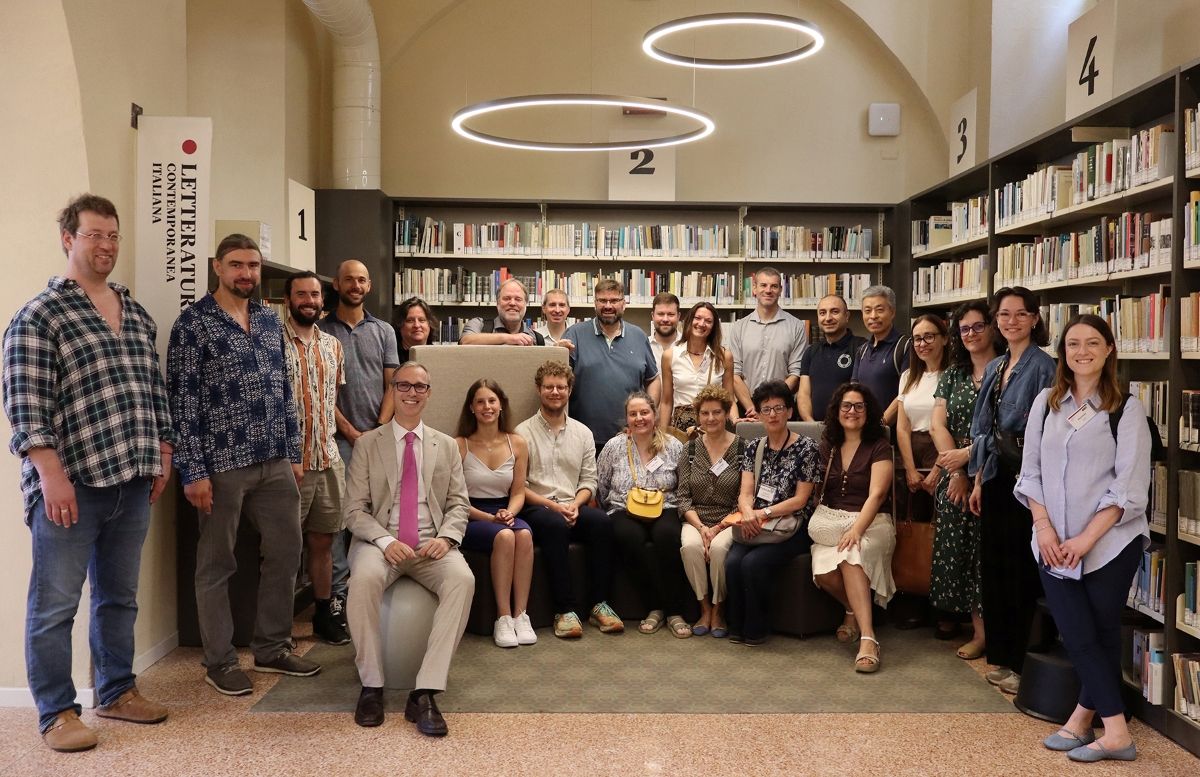
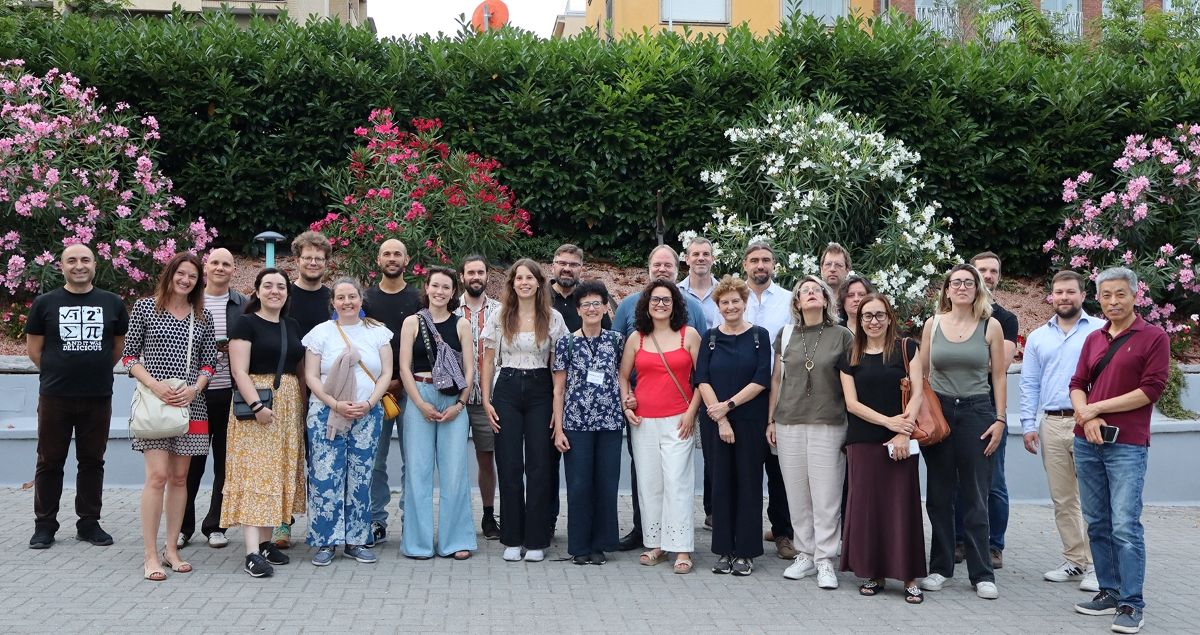
Two years after the launch of the project, ProtAct-Us consortium met in Pavia on 9–10 June for a two-day working meeting. The meeting took place in the unique academic environment of the University of Pavia, providing an ideal setting for partners from across Europe to strengthen collaboration, review progress, and align future strategies to maximize the project’s impact.
The ProtAct-Us General Assembly focused on reviewing the project’s progress and the activities completed to date. Key achievements include enhanced human body models, new injury risk functions for improved injury prediction, and novel assessment methodologies for vulnerable road users, child occupants, and public transport passengers. Together, these developments will enable the evaluation of the countermeasures proposed during the meeting, with the aim of preventing or mitigating injuries across diverse crash scenarios and road user groups.
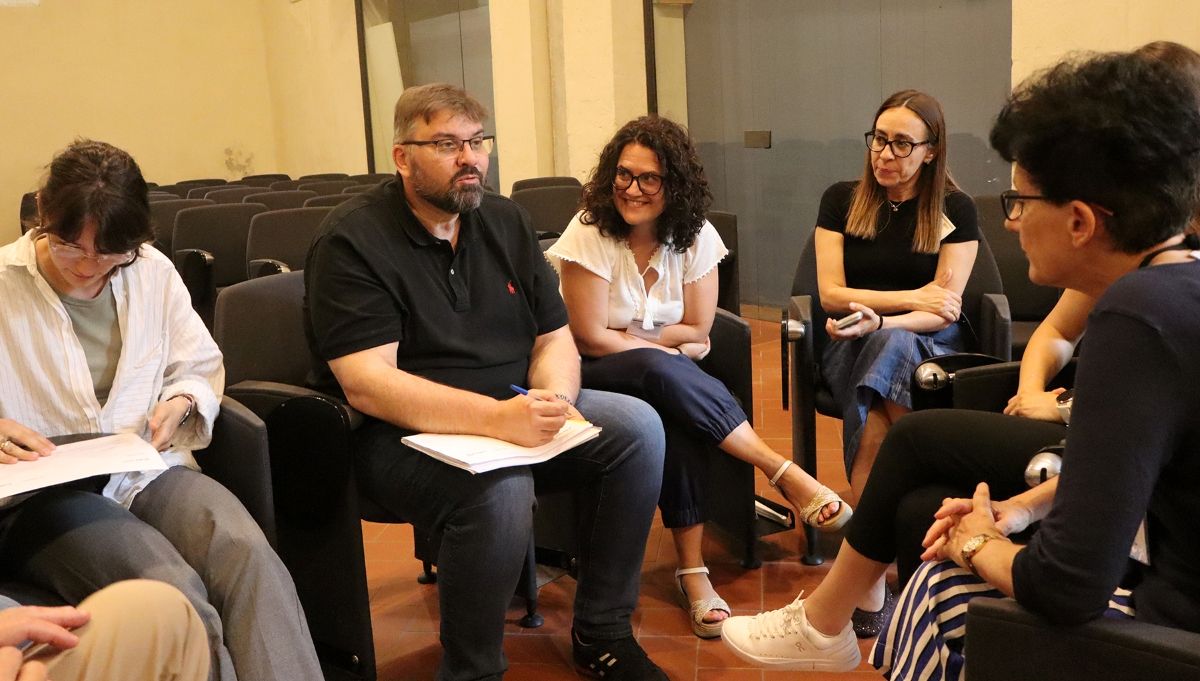
CIDAUT activities focus on the use of Finite Element Human Body Models (FE-HBMs) to improve the assessment of injuries with long-term consequences. The work covers child occupant injuries in side-impact crashes, pedestrian injuries across representative population groups (adult males, females, and children), and upper extremity injuries, with particular emphasis on humerus and forearm fractures associated with side collisions.
The meeting also included dedicated sessions to plan the next project activities and meetings, discuss risk and exploitation management, and coordinate dissemination actions. Among the upcoming dissemination opportunities, the ProtAct-Us project will contribute to the IRCOBI Conference (https://ircobi.org) through the pre-conference workshop, «Long-term Consequences of Road Traffic-Related Injury», while project partners, such as CIDAUT, will present research carried out within the project during the main scientific programme.
Further information about the project can be found at https://protact-us.eu/