


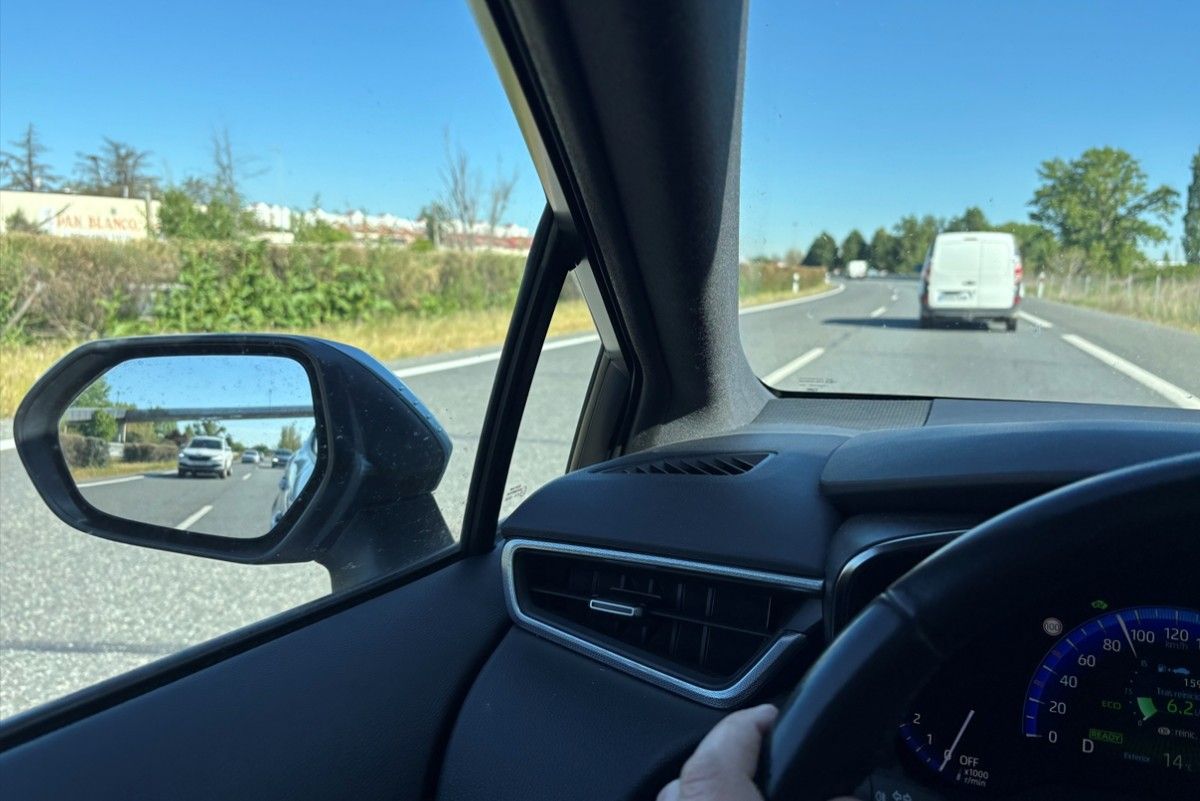
Within the framework of the European project BERTHA (Grant Agreement nº 101076360), CIDAUT has launched an open-road driving data collection campaign to advance autonomous driving systems that closely emulate human driving behaviour, thereby fostering public adoption and alleviating societal apprehension. The campaign accounted for diverse driver profiles by engaging 40 participants representing a broad sociodemographic spectrum. Furthermore, each participant completed a preliminary questionnaire to categorise them according to specific behavioural profiles behind the wheel: veteran, confident cruiser, chill maverick, mindful navigator, balanced driver, urban daredevil, block rookie, and uncertain sprinter.
The trials were conducted using a conventional vehicle equipped with GPS, radar, internal and external cameras, and a CAN bus monitoring system. This setup captured human driving behaviour during specific scenarios induced along the route, which spanned the surroundings of Valladolid and lasted between 45 and 60 minutes. Specifically, the target scenarios comprised lane merging from an acceleration lane, overtaking on highway, left-hand turn on two-way road, and pedestrian crossings. The collected data amounts to a total of 30 hours of recording and a dataset of approximately 900 GB.
A sensor fusion process was subsequently applied, encompassing the temporal and spatial synchronization of measurements from the various devices. Once synchronized, the events corresponding to the aforementioned scenarios were extracted. These events serve as the foundational inputs that the project will utilize to train a human-like autonomous driving system.
Comparing these events across different driver profiles revealed distinct behavioural variations, thereby validating the questionnaire employed for users classification. Such differences are illustrated in Figures 1 and 2, which depict the left-hand turn and pedestrian crossing events, respectively, across the various participating driver profiles. Specifically, the presented graphs reveal discernible differences in acceleration, braking, and steering manoeuvres for each case. Given that the events are not identical due to the inherent randomness of open-road environments, the dashed line included in each graph represents the distance to the critical object governing the manoeuvre; namely, the oncoming vehicle in the left-hand turn scenario, and the vehicle-to-pedestrian distance over time in the pedestrian crossing scenario.
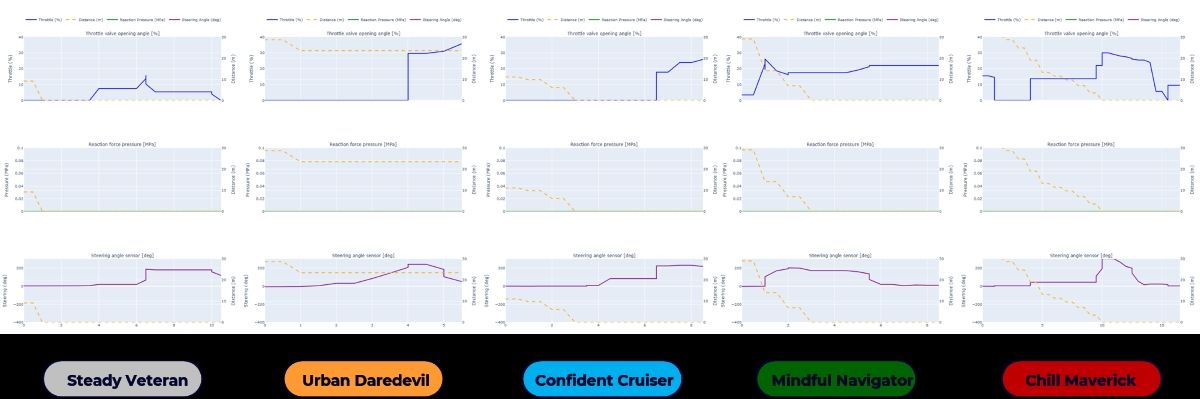
Figure 1. Comparison of left-hand turn behaviours among participating driver profiles
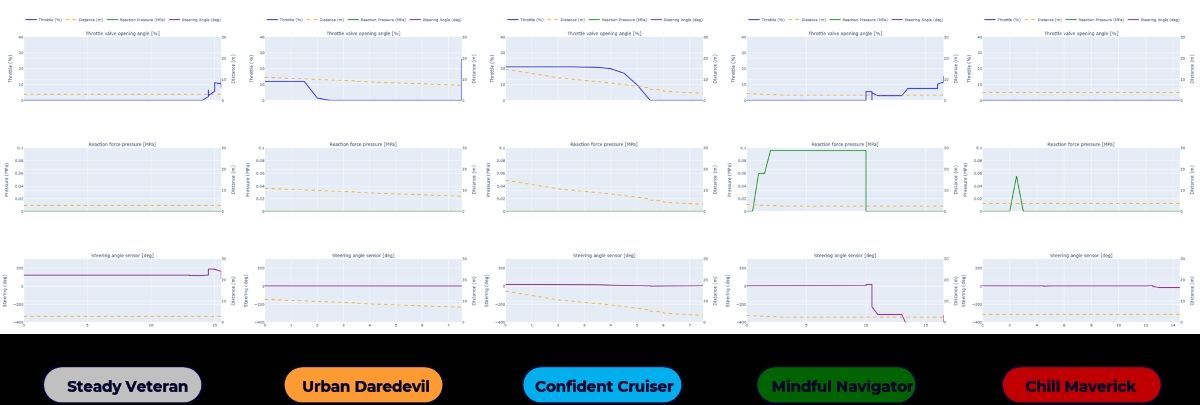
Figure 2. Comparison of pedestrian crossings behaviours among participating driver profiles
In light of these results, this database represents a significant milestone toward humanising autonomous driving systems through precise empirical data on how different driver profiles manage specific, fully measured, and defined manoeuvres.