


The city of Valladolid, with the support of CIDAUT, has successfully completed a transformation process in the field of last-mile logistics through its participation in the URBANE project (GA No. 101069782). Over the past three and a half years, the project has explored and demonstrated innovative approaches to urban freight transport, helping cities become cleaner, more efficient and better prepared for the future of sustainable mobility
URBANE was launched with the ambition of developing novel, sustainable and efficient solutions for last-mile delivery operations. By combining automated vehicles, electric delivery fleets, shared urban space models and advanced digital technologies, the project has contributed to reshaping urban logistics across Europe. Alongside Valladolid, pilot activities were also carried out in Bologna, Helsinki and Thessaloniki, while additional demonstrations took place in the twin cities of Karlsruhe and Barcelona. Together, these cities created a collaborative European testing ground for new logistics concepts capable of addressing growing urban mobility challenges.
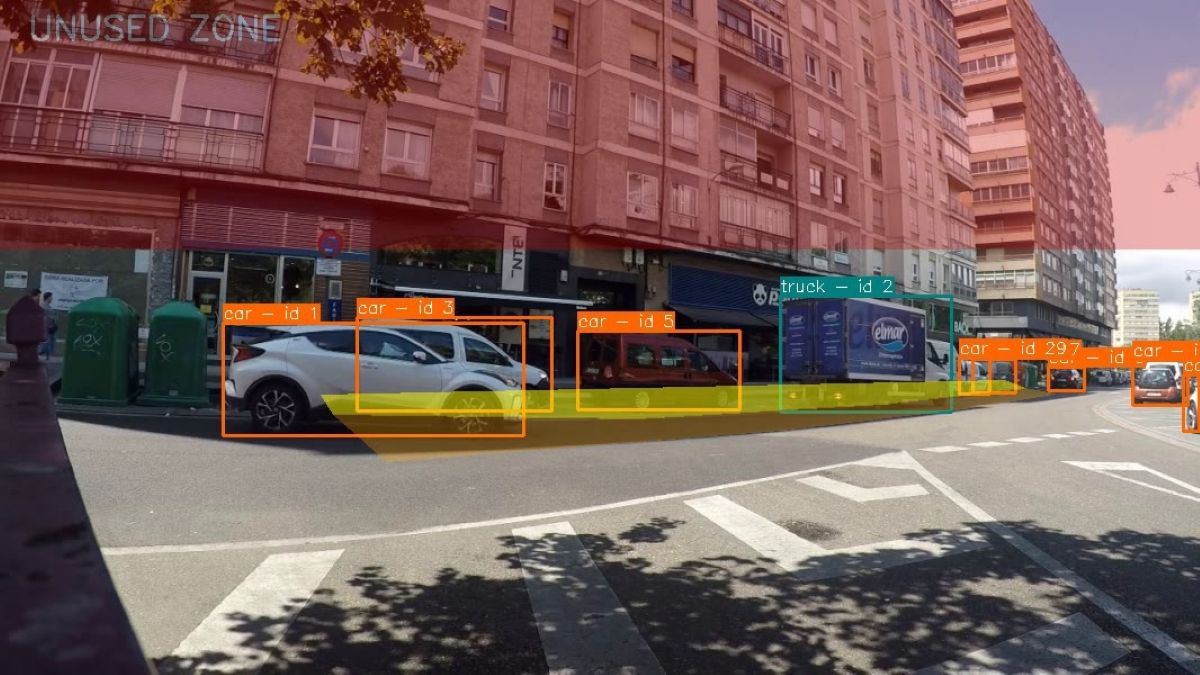
Within this framework, Valladolid focused on solutions aimed at improving the efficiency and sustainability of freight operations in busy urban areas. One of the city’s main contributions was the testing of an innovative artificial intelligence-based management system designed to optimise the use of loading and unloading zones in central streets. By monitoring these areas in real time, the system helped to improve traffic flow, reduce congestion and make urban freight activities more organised and efficient.
At the same time, Valladolid also explored cleaner alternatives for urban deliveries through comparative testing between conventional combustion-engine vehicles and partially solar-assisted electric vans and cargo bikes. These demonstrations provided valuable insight into how sustainable delivery fleets can contribute to reducing emissions while maintaining operational performance in everyday logistics activities.
In essence, the progress achieved formed part of a wider collaborative effort across all participating cities. With a total budget of €8.7 million, the URBANE project brought together 39 European partners, including research centres, technology developers, public authorities and mobility experts. This strong cooperation enabled each city to address its own local challenges while contributing to a shared vision for sustainable urban logistics.
The main actions developed within the project included:
- Bologna: implementation of micro-hub networks and light electric delivery vehicles for last-mile distribution operations.
- Helsinki: deployment of autonomous driving vehicles for B2C e-commerce deliveries, together with the supporting infrastructure required for their operation.
- Thessaloniki: installation of micro-hubs in public spaces and simulation of green Physical Internet-based last-mile logistics solutions
- Valladolid: implementation of an AI-based system for managing loading and unloading areas, alongside comparative testing between combustion vehicles and partially solar-assisted electric vans and cargo bikes.
Beyond the pilot cities, the project also included two twin cities that replicated and adapted some of the demonstrated solutions to their own urban contexts, further extending the project’s impact.
In Karlsruhe, an autonomous delivery vehicle was integrated into the tramway network to support innovative delivery services. Meanwhile, Barcelona replicated the use of cargo bikes for urban deliveries and enhanced them with RFID technology for parcel tracking.
As the project now comes to an end, URBANE leaves behind a valuable legacy of innovation, collaboration and practical experience. The solutions tested throughout the project have demonstrated that sustainable and intelligent urban logistics are not only technically feasible, but also capable of delivering clear environmental, operational and social benefits for European cities. For Valladolid in particular, participation in the project has reinforced the city’s commitment to sustainable urban mobility and smarter freight management. Thanks to the support of CIDAUT and the collaboration of all project partners, the city has positioned itself as an active contributor to the development of greener, more efficient and more resilient transport systems for the future.